:
:

Best Face Wash for Acne and Oily Skin: Ingredients That Actually Work
Introduction
Acne is one of the most common skin concerns affecting both teenagers and adults. Issues like pimples, blackheads, whiteheads, and clogged pores can impact not only skin health but also confidence. Because of this, many people actively search for effective skincare solutions that help manage acne-prone skin.
One ingredient that consistently appears in skincare discussions is salicylic acid for acne. From dermatology-based treatments to everyday skincare products, salicylic acid is widely used in routines designed for acne and oily skin.
Search trends show high demand for:
- salicylic acid for acne
- best face wash for acne
- salicylic acid face wash benefits
- skincare routine for acne-prone skin
This article explains how salicylic acid for acne works, its benefits, how to use it properly, and how to build an effective acne skincare routine.
What Is Salicylic Acid?
Salicylic acid is a widely used skincare ingredient that belongs to a group known as beta hydroxy acids (BHAs). It is commonly found in products designed for acne-prone and oily skin.
Salicylic acid is included in:
- face washes
- toners
- serums
- acne treatment products
Because of its role in acne skincare routines, it is one of the most searched ingredients for people looking for solutions for pimples, blackheads, and clogged pores.
How Salicylic Acid for Acne Works
Understanding how salicylic acid for acne works helps explain why it is widely used in skincare products.
Acne typically occurs when:
- pores become clogged with oil and dead skin cells
- bacteria build up inside pores
- inflammation develops
Salicylic acid is commonly included in skincare routines designed to support clearer-looking skin. Many people searching for how to treat acne naturally or best face wash for acne come across salicylic acid-based products.
Because of this, salicylic acid is often used in skincare products aimed at maintaining cleaner pores and smoother skin appearance.
Benefits of Salicylic Acid for Acne-Prone Skin
1. Helps Keep Pores Clear
One of the most discussed benefits of salicylic acid for acne is its role in skincare routines designed to maintain clear pores.
Clogged pores are one of the main causes of acne. Products like salicylic acid face wash are commonly used to cleanse the skin and remove impurities.
2. Commonly Used for Blackheads and Whiteheads
Search queries such as:
- salicylic acid for blackheads
- salicylic acid for whiteheads
are very common.
Salicylic acid is frequently included in skincare products designed for people dealing with blackheads and whiteheads.
3. Suitable for Oily and Acne-Prone Skin
People with oily skin often experience frequent breakouts.
Salicylic acid is commonly used in skincare routines designed for:
- oily skin
- acne-prone skin
- combination skin
This is why searches like best face wash for oily skin and acne are highly popular.

4. Helps Improve Overall Skin Texture
Another reason people use salicylic acid is for improving skin appearance.
Search trends include:
- salicylic acid benefits for skin
- acne skincare routine
Skincare routines that include salicylic acid are often associated with smoother-looking skin.
Salicylic Acid Products in Skincare Routine
Salicylic acid is available in multiple skincare formats.
Salicylic Acid Face Wash
One of the most common products is salicylic acid face wash.
Searches like:
- best face wash for acne
- salicylic acid face wash for oily skin
show strong market demand.
Face washes are usually the first step in acne skincare routines.
Salicylic Acid Toner
Toners containing salicylic acid are often used after cleansing.
They are included in routines designed for acne-prone skin.
Salicylic Acid Serum
Serums are used for targeted skincare.
They are often included in routines focused on acne and skin clarity
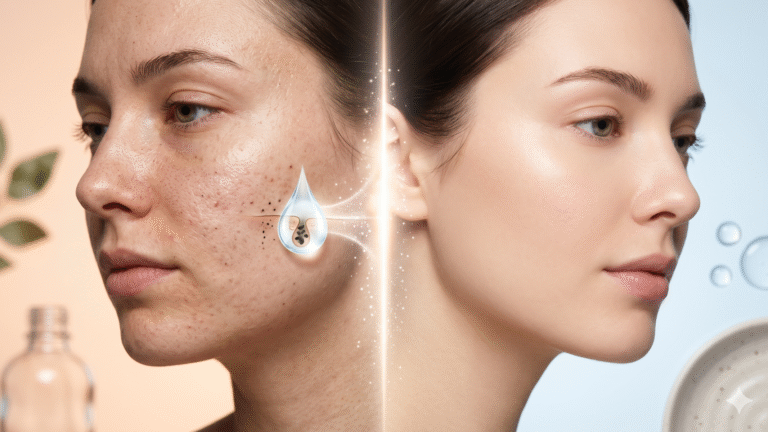
How to Use Salicylic Acid for Acne (Step-by-Step Routine)
Step 1: Cleanse with Salicylic Acid Face Wash
Start your routine with a salicylic acid face wash.
This helps remove dirt, oil, and impurities.
👉 Market intent keyword:
best face wash for acne and oily skin
Step 2: Apply Toner
Use a toner to refresh the skin and prepare it for treatment products.
Step 3: Apply Serum (Optional)
Serums may include ingredients such as:
- niacinamide
- alpha arbutin
These are often used in skincare routines for acne marks and pigmentation.
Step 4: Moisturize
Moisturizer helps maintain hydration and supports the skin barrier.
Even oily skin needs hydration.
Step 5: Use Sunscreen
Sunscreen is commonly recommended in skincare routines to protect skin from environmental exposure.
Who Should Use Salicylic Acid?
Salicylic acid is commonly used by people who experience:
- acne breakouts
- oily skin
- blackheads
- clogged pores
Search queries such as:
- salicylic acid for acne-prone skin
- skincare routine for acne
are highly common.
Salicylic Acid vs Niacinamide
Niacinamide is often used for skin balance and texture
Salicylic Acid vs Benzoyl Peroxide
Both ingredients appear in acne skincare products.
Salicylic Acid vs Glycolic Acid
Glycolic acid is an AHA, while salicylic acid is a BHA.
Both are used in skincare routines.
Tips for Using Salicylic Acid Safely
- Start with lower concentration products
- Avoid overuse of active ingredients
- Maintain a consistent routine
- Use sunscreen daily
These practices are commonly recommended in acne skincare discussions.
Frequently Asked Questions (FAQ)
Natural skincare routines often include cleansing, moisturizing, exfoliation, and healthy lifestyle practices.
Ingredients commonly discussed in skincare routines include saffron, aloe vera, turmeric, and rose extracts.
Many individuals include natural ingredients in skincare routines aimed at maintaining healthy-looking skin.
Results may vary depending on skincare routine, lifestyle habits, and skin type.
Conclusion
Dry lips are a common skincare concern influenced by environmental factors, hydration levels, and daily habits.
Maintaining a consistent lip care routine, staying hydrated, and using lip balm regularly are commonly recommended practices for maintaining soft lips.
Natural ingredients such as honey, coconut oil, aloe vera, and plant-based extracts frequently appear in lip care routines designed to support healthy-looking lips.
With consistent care and simple skincare practices, individuals may maintain soft, smooth, and hydrated lips over time.